Service Hotline
400-6869-759
CN
CN
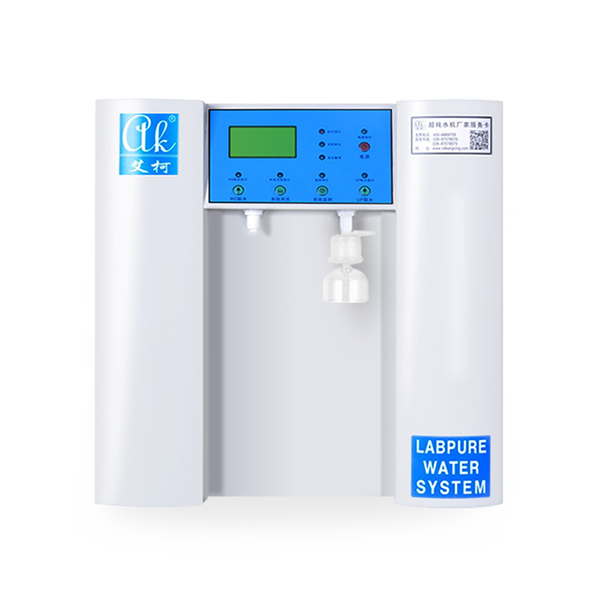
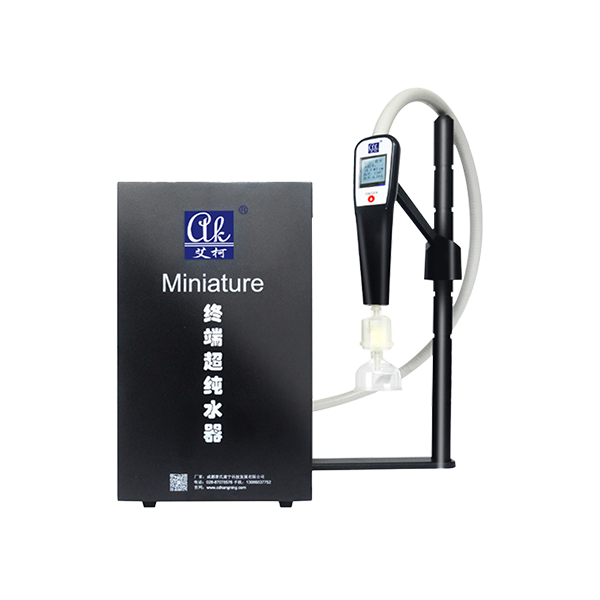
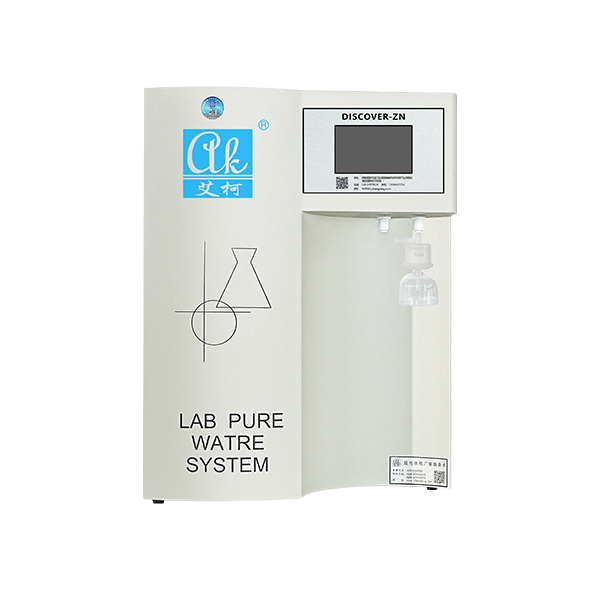
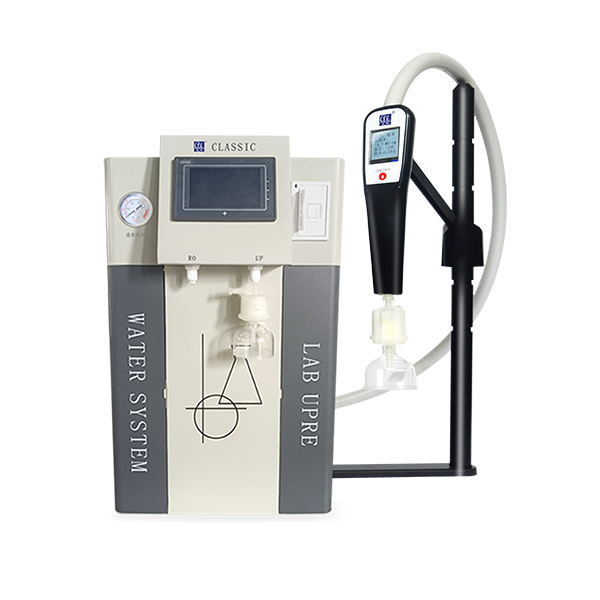
For scientific research, pure water is the 'blood' of experiments. Thirty years ago, this 'blood' was strangled by overseas brands: core technologies were blocked, imported equipment was priced exorbitantly, and later consumables were marked up arbitrarily, leaving Chinese researchers to survive in the cracks. And the thirty-year development of Chengdu Tang's Corning (AiKe) is precisely the complete epitome of domestic laboratory ultrapure-water machines going from nothing to breaking the blockade.
The story begins in 1996, when AiKe's founder established the first water-technology laboratory in Taiwan. At that time, domestic laboratory pure-water preparation was still at the first generation of distillation and ion-exchange: a distiller cost nearly 10,000 yuan a year in water and electricity and carried a water-shortage explosion hazard, while ion-exchange equipment needed weekly resin regeneration yet its water quality remained unstable—utterly failing to meet high-end research needs. Meanwhile, overseas brands monopolized the high-end pure-water machine market with reverse-osmosis technology, charging hundreds of thousands of yuan per unit, deterring many small and medium labs. 'Chinese people must have our own domestic laboratory pure-water machines' — with this conviction, AiKe's entrepreneurial journey officially began.
In 1998, the R&D center was established in Chongqing; in 2003, Chengdu Tang's Corning was formally founded, and the first mass-produced domestic AiKe KL series laboratory ultrapure water machine rolled off the line, filling the gap of domestic independent brands. At that time, domestic pure-water machines were still criticized for"imitating and copying", yet Tang's Corning gritted its teeth and invested in R&D, putting more than 15% of annual revenue into technological innovation: from an integrated design combining pretreatment, reverse osmosis, and deep purification, to overcoming reverse-osmosis membrane adaptation technology suited to Chinese tap-water quality, to upgrading third-generation modular intelligent pure-water machines—AiKe step by step completed the decades-long technological journey of overseas brands. When the industry's third-generation ultrapure-water machine standard landed in 2013, AiKe had already taken the lead in launching intelligent models compliant with CLSI standards, surpassing imported brands in water-quality verification, data traceability, and raw-water utilization.
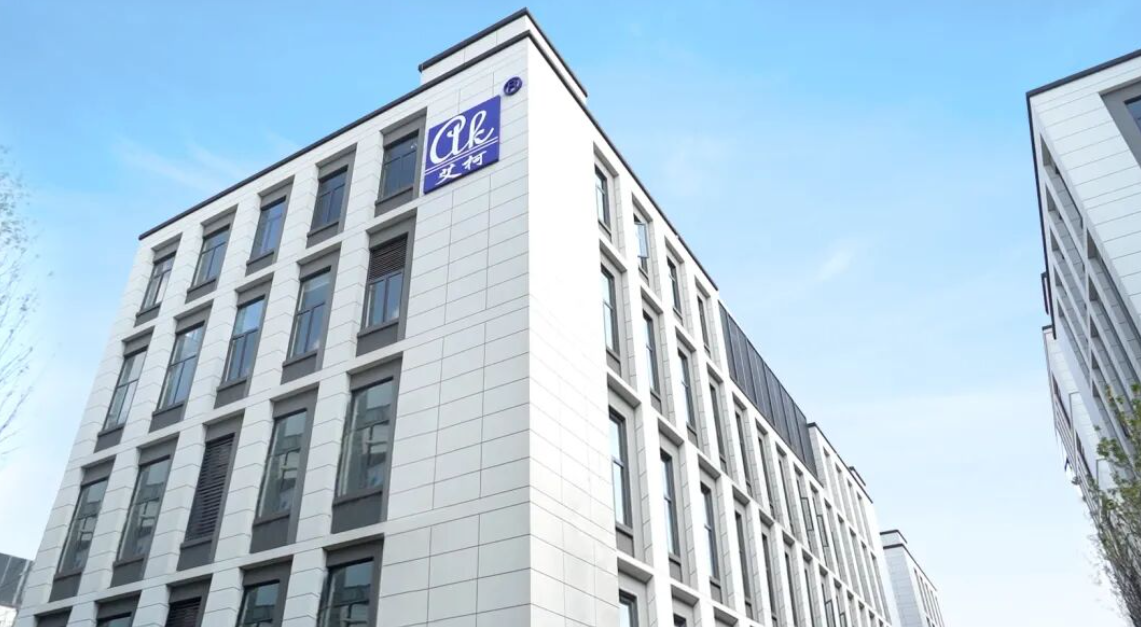
Thirty years to forge a sword—today's Chengdu Tang's Corning (AiKe) has grown into a high-tech enterprise with 70+ intellectual-property rights and certifications including ISO9001 and EU CE; its products cover all provinces and cities in China and are exported to more than thirty countries and regions, having served over 70,000 customers cumulatively. From university labs to CDCs, from new-energy nuclear industry to biopharmaceutical enterprises, AiKe domestic pure-water machines can be seen everywhere. In 2025, AiKe launched an AI intelligent ultrapure-water system, integrating IoT monitoring, intelligent consumable early-warning, and automatic water-quality adjustment into the equipment, once again leading the industry's intelligent-development direction—even the overseas brands that once monopolized the market have begun to learn from AiKe's integrated modular design.
Looking back at the thirty-year development history, from a single drawing in a lab to today's benchmark brand of domestic laboratory pure-water machines, Tang's Corning (AiKe)'s entrepreneurial path is the epitome of all domestic pure-water-machine makers' self-reliance. It is precisely because of such a group of unyielding Chinese enterprises that we can break overseas technology blockades and enable every Chinese laboratory to access and afford high-quality domestic pure-water equipment.
A drop of pure water reveals heaven and earth; thirty years of struggle and innovation—the story of domestic laboratory pure-water machines has only just turned to a new chapter.


191-1322-2630(Same as WeChat ID)
Building 18, No. 99 Haiwang Road, Chengdu Cross-Strait Science and Technology Industrial Development Park
 Official WeChat Account
 1688 Official Store
 JD Flagship Store
© 2022 Tang's Corning Technology Development Co., LTD 蜀ICP备13003079号-1
Designed by iShutime