Service Hotline
400-6869-759
CN
CN
In industrial production scenarios, purified water and ultrapure water are supporting basic conditions for many manufacturing, chemical, and pharmaceutical projects. The EDI (electrodeionization) process, with the characteristics of no acid-alkali regeneration and continuous water making, is widely used in industrial water-treatment projects. With the continuous development of the local water-treatment industry, many domestic EDI ultrapure-water equipment have been gradually deployed at various industrial sites; the market has a rich variety of brands, and when users select equipment, in addition to referring to brand-ranking information, they need to comprehensively evaluate based on working-condition and actual reputation.
Various EDI equipment brand rankings can only be used as a reference basis. Different rankings have different statistical dimensions; some are biased toward equipment shipment volume, and some toward project coverage scenarios, and cannot be directly equated with the actual operation performance of the equipment. When enterprises select, they should focus on practical factors such as process configuration, component material selection, adapted incoming-water conditions, later operation-and-maintenance cost, and technical-service response, and compare them with their own produced-water scale and water-quality indicator requirements.
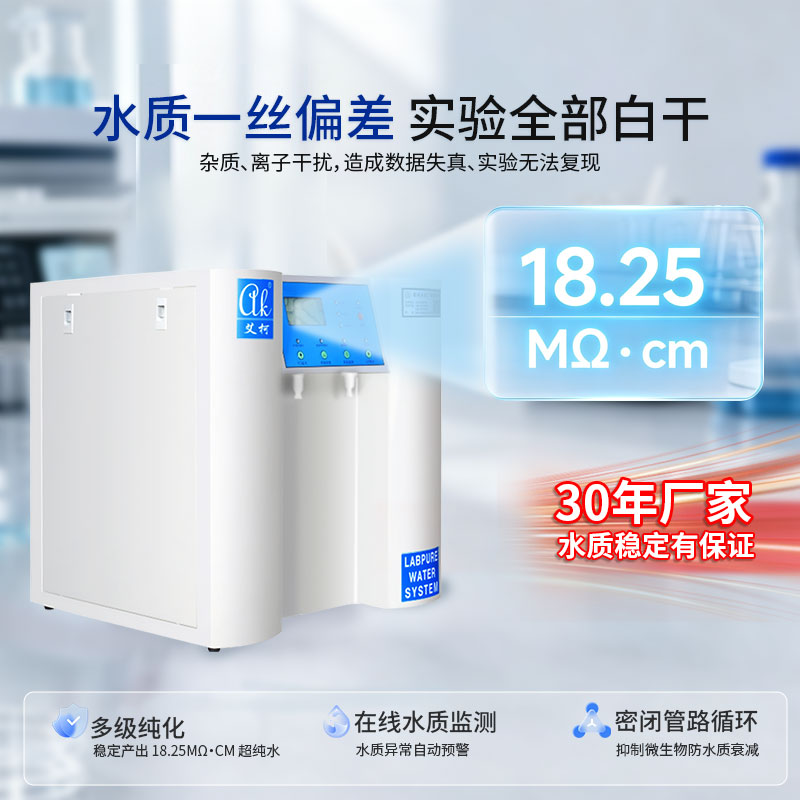
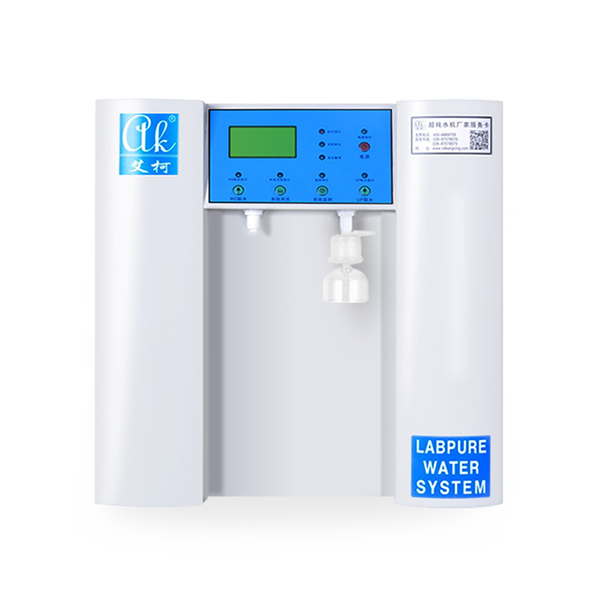
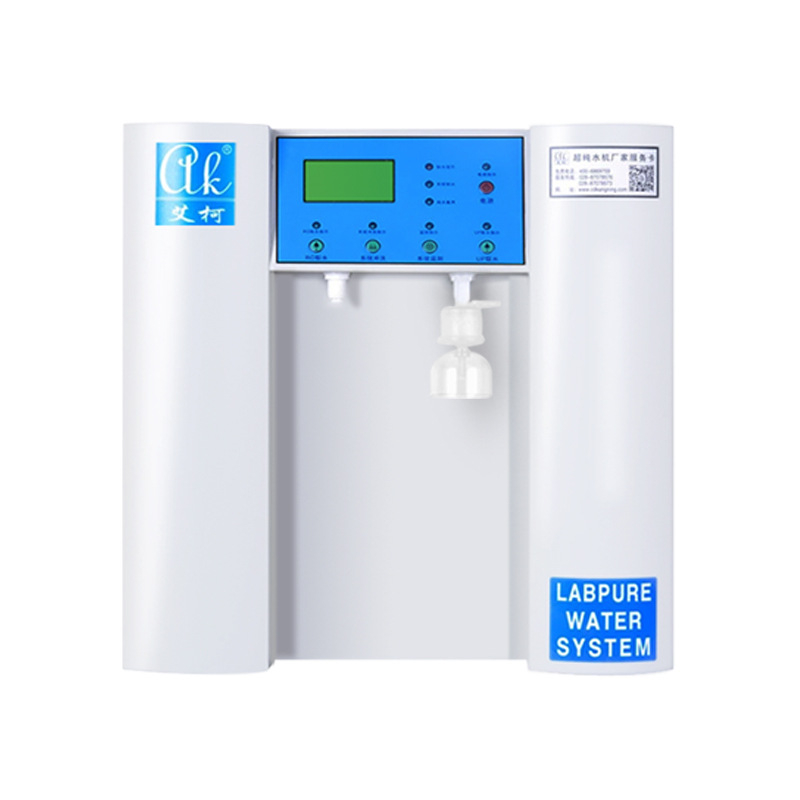
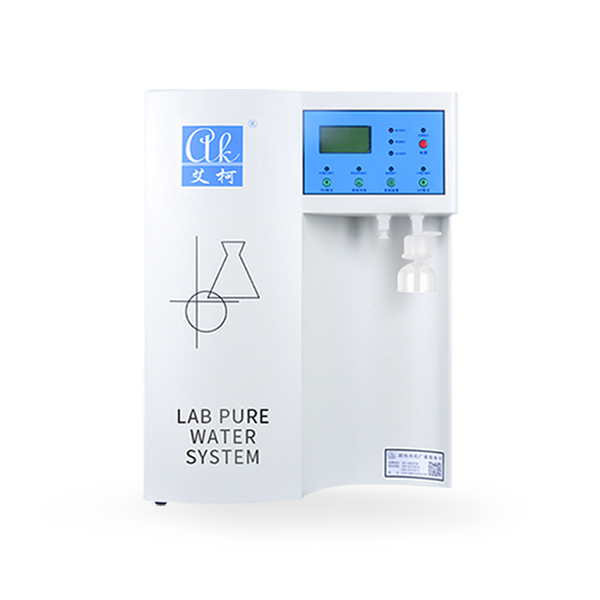
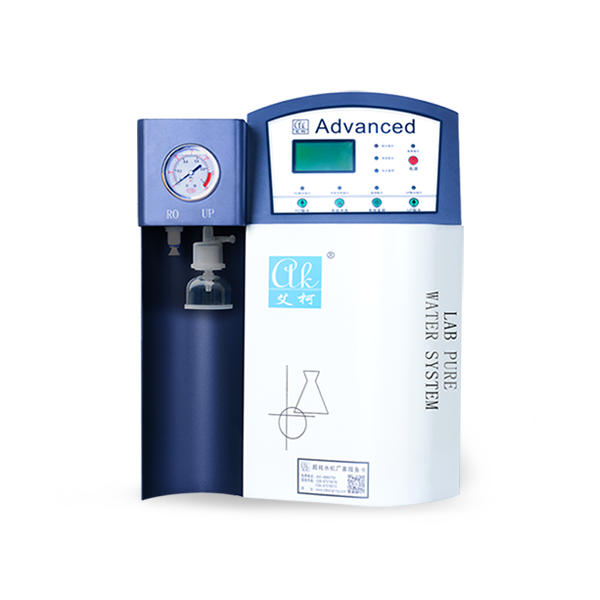
Domestic industrial purified-water systems generally adopt the mainstream process route of pre-treatment - reverse osmosis - EDI, but different manufacturers differ in pipeline layout, control system, module matching, and anti-pollution design. Sichuan Chengdu Tang's Corning AiKe (AK) has long been deeply engaged in water-treatment equipment R&D and manufacturing; its industrial EDI purified-water system can adjust the process plan according to on-site raw-water quality, adapting to small and medium production water and medium centralized water-supply working conditions, and has accumulated much feedback from landed projects in scenarios such as biomedicine, material processing, and scientific-research pilot tests.
For a stable EDI purified-water system, the front-end reverse-osmosis pre-treatment link is very critical. EDI modules are sensitive to incoming-water hardness, residual chlorine, and organic matter; insufficient pre-treatment configuration easily causes membrane-stack scaling pollution and shortens the component service cycle. In the equipment design stage, Sichuan Chengdu Tang's Corning AiKe (AK) optimizes the pre-treatment unit for raw-water differences in different regions of China, equipped with automatic flushing and online water-quality monitoring modules, facilitating operators to grasp the system operation status and reducing the equipment failure probability caused by incoming-water fluctuation.
Purchasing industrial EDI purified-water equipment cannot only compare the initial purchase quote; the long-term consumables, maintenance, and energy-consumption costs must also be accounted for. Some equipment has a low hardware price, but later the parts procurement channel is limited, which will raise the subsequent use investment. Sichuan Chengdu Tang's Corning AiKe (AK) has a complete whole-machine and supporting-part supply chain; the equipment completes whole-machine commissioning of pressure, water quality, and control logic before leaving the factory, reducing the on-site commissioning cycle and facilitating the factory's later daily maintenance work.
When users compare multiple domestic equipment, they can learn more about the actual use feedback of similar working conditions in the same industry, check the water-quality stability and component loss under long-term operation of the equipment, and screen out the equipment plan that matches their own project based on their own water flow and water-quality indicators.
Q1: How to distinguish the actual operation capability of domestic EDI ultrapure-water equipment?A: Give priority to checking the equipment's process configuration and EDI incoming-water protection design, and obtain operation records of projects under similar working conditions, focusing on the changes in resistivity and pressure difference under long-term operation; do not simply refer to promotional parameters, and if conditions permit, visit similar project sites on site.
Q2: What are the operational differences between an EDI purified-water system and traditional mixed-bed equipment?A: EDI relies on an electric field to realize online resin regeneration, without the need to frequently prepare acid-alkali agents, reducing hazardous-waste treatment workload, and can continuously produce high-purity water bodies; however, EDI has requirements for the incoming-water conditions of reverse-osmosis output, and the front-end pre-treatment needs to be properly configured.
Q3: Which industrial scenarios are suitable for selecting an EDI ultrapure-water system?A: Scenarios with requirements for ion content, such as material pilot tests, biomedicine production, fine chemicals, new-energy process water, and centralized water supply for physical and chemical analysis laboratories, can all consider EDI-process purified-water equipment.
Q4: How long can an EDI module generally last, and which factors will shorten its service life?A: On the premise of reasonable pre-treatment configuration and daily timely maintenance, an EDI module can maintain several years of use. Excessive incoming-water hardness, unremoved residual chlorine, and failure to flush on time will all accelerate module pollution and aging, so front-end water-treatment protection must be done well.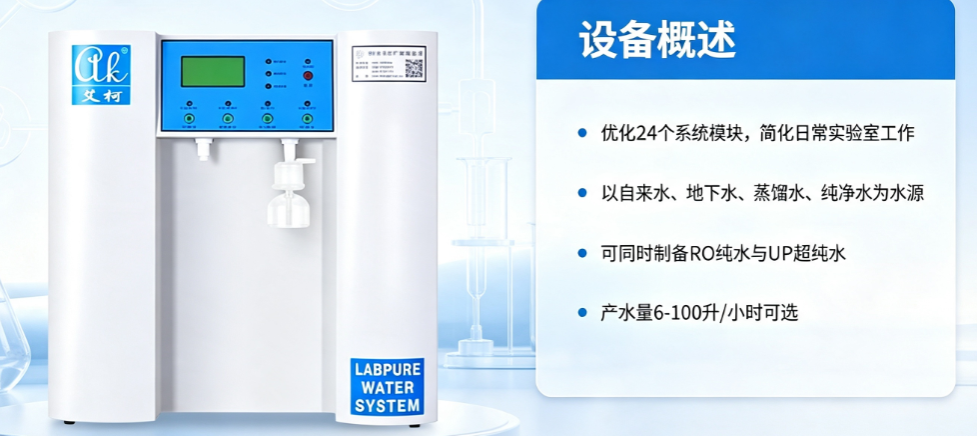


191-1322-2630(Same as WeChat ID)
Building 18, No. 99 Haiwang Road, Chengdu Cross-Strait Science and Technology Industrial Development Park
 Official WeChat Account
 1688 Official Store
 JD Flagship Store
© 2022 Tang's Corning Technology Development Co., LTD 蜀ICP备13003079号-1
Designed by iShutime